Category: Travel Tips

  • 09Jun14

    09Jun14

    Good morning, mosquitoes. You make us murderous. And scared.

    Do not underestimate these pesky bugs. We’ve tried lots of different tactics to keep mosquitoes at bay. One of the great things we have here are screens, which we didn’t have when we were in La Paz. I tried to take a photo of the cloud of ~20 mosquitoes hovering on the other side of our screen door, but they’re too small and my camera isn’t good enough. Just trust me: they’re there.

    The mosquito population has increased dramatically in the time we’ve been here in Sámara, due to the increasing amount of rain we’re getting as rainy season picks up. First thing in the morning and at dusk, the mosquitoes are especially active. And during the day, the (black and white-striped) aedes mosquito is out and biting. And those are the mofos that carry diseases like dengue fever. No thank you.

    In fact, mosquitoes are one of the world’s deadliest creatures, carrying diseases from malaria to yellow fever to West Nile virus. Don’t believe me? Check out this infographic from Bill Gates’s blog:

     

    BiggestKillers_final_v8_no-logo


    One of our Spanish teachers told us he’s had dengue fever three times in the past seven years or so. He said that here in Sámara, there aren’t as many cases, and it’s usually locals who get it. (Although, it could be that travelers are getting it, but the symptoms don’t show up until they get home.) But he said travelers are usually more vigilant about wearing repellent, and repellent is expensive.

    It’s true: a bottle of OFF! spray with 25 percent DEET is around US$10. We found a local brand with 20 percent DEET, but in a smaller bottle, that was around US$6. If you’re here for a month, one person can get by on one bottle. But if you live here and are outside a lot, the cost adds up.

    And it’s hard to be vigilant 24/7. We have a beautiful, shaded terrace to sit on. It’s sad to be sitting inside, but after sitting out there for five minutes, no amount of repellent can help you. Here’s what we’ve found helps us:

    • We’re serious about the DEET. We’ve used other “natural” repellents and they’re pointless. We prefer a higher concentration (at least 20 percent) so we don’t have to reapply every hour. If you can find a lotion, it provides better coverage.
    • Stay indoors during prime mosquito hours. We avoid going outside between 6-7am and 5-6pm if we can.
    • Don’t be afraid to be a little crazy. Our bungalow has a once-a-week cleaning service where a gal (this is her college job — she’s studying to be a social worker) replaces the sheets and towels. People here are accustomed to not having screens, so she leaves the screen doors open while she’s working, letting some mosquitoes in. The normal Tamara wouldn’t want to impose and wouldn’t say anything. But the mosquito-crazy Tamara specifically asks, “Por favor, puede dejar la puerta cerrada? Los mosquitos me pican mucho,” with a friendly smile.

    Anyhow, as much as we love it here, we’re looking forward to going someplace with fewer mosquitoes. Our next stop, Monteverde, is higher altitude and cooler, so it’s harder for mosquitoes to survive there. Thank goodness.


  • 29Apr14

    29Apr14

    Todays #TravelTipTuesday is about choice — and how it’s not always a good thing. This is not a new concept. President Barack Obama only wears two types of suits in order to pare down menial decisions so he can focus on important ones. It prevents decision fatigue. I’d argue it also increases satisfaction.

    My friend Jen and I were having a very philosophical email exchange about choice after we both watched Barry Schwartz’s TED talk about the paradox of choice. The Cliff’s Notes: the dogma in Western society is that more choice is better, but the evidence says otherwise. Why? Because when faced with so many options, we agonize over decisions and are more likely to regret our choices. It’s interesting stuff.

    You’re probably wondering, what does this have to do with travel?

    Chris and I each brought roughly 8-9 days worth of clothes on our trip. At first, I thought I would miss my wardrobe. But I’m actually happier with what I’ve got. Sure, every once in a while I wish I had a blazer or something. But most of the time I choose what to wear based on what’s clean and I know I’ll like it because I only brought things that I really like.

    And it sure beats the good 10-15 minutes I would sometimes spend in the morning staring at my closet. Now I take two seconds to consider which gray v-neck to wear.

    So when you’re packing for a trip, be excited because you get to experience the freedom of fewer clothes.


  • 24Apr14

    24Apr14

    Hot sauce! We found a place with hot sauce!

    We had dinner at this delicious (and deliciously trendy) ramen restaurant this evening. It was started by a couple with roots in both Argentina and the U.S., and they make a tasty dumpling. Did you know that Argentinian food is not spicy? Same with Chilean food. Sometimes you’ll find a Tabasco-like chili sauce, but it’s more vinegar than heat. We’ve been really missing Asian foods, in addition to hot sauce, so we were in heaven.


    Fukuro Noodle Bar Buenos Aires 2


    Speaking of heaven and dogs that are trying to go there early, we figured out why Holly is so sick. Let’s go from the appetizing to the totally unappetizing:


    Holly Rock


    We found this rock in Holly’s poop today. It’s somewhere between the size of a nickel and a quarter. WTF.

    Don’t ask us how we found it and what we had to do to identify it; your imagination will suffice. We have no idea when she ate this, and we’re hoping it was the only one. She seems to be feeling a lot better, but if her bad stomach persists we’ll take her back to the vet.

    In other news, I published a guest blog on Brazen Careerist today with advice on how to take a leap year of your own! You know you want to take a career break too. All the cool kids are doing it.

    Lastly, we’re in the home stretch planning for our next location. Tomorrow, I have to get on the phone with the animal health inspectors at our destination airport to make sure they accept animals entering into the country 24/7. It’s important to confirm before we book our plane tickets. If we arrive when the inspectors aren’t there, they might quarantine her — or send us back!


  • 25Mar14

    25Mar14

    A friend of ours who’s thinking about taking a leap year of his own recently asked us, “Any words of wisdom on how to get started on budgeting?”

    Yes! Setting a budget for a leap year, career break, gap year — whatever you want to call it — can at first feel like a steep climb, but it’s easy when you take it piece by piece. So for today’s #TravelTipTuesday, here’s how we did it:

    / STEP 1: Use your imagination /
    How will you spend your time on most days? Will you make food at home? Go to a coffee shop once a day? Lay on the beach? Go to yoga classes? Volunteer? Write? Every day won’t be the same, of course, but try to get a sense of what an average day will look like.

    Then, think about special days (or weeks). Do you want to rent a car for a day trip every couple weeks? Are you joining an organized tour to the Galapagos? Will you take language classes for a month?

    The purpose of this exercise is to get you thinking about what you’ll do so you have a realistic sense of what it will require financially. Don’t worry, you don’t need to think of everything (and you won’t, trust me), but you do need a general idea.

    / STEP 2: Give your imagination some numbers /
    Next, do a little research and/or make some educated guesses about what it will cost to do those things. For example, search online for hostels/rentals in cities you want to visit. Activities like reading are free, but books aren’t (unless you can borrow library ebooks).

    Start populating a budget spreadsheet with your income and expenses, along with a notes column to remind yourself what’s included in each line. Our budget had the following line items, which we created monthly estimates for.

    Income

    • Condo rental
    • Freelance and side projects
    • Allowance from savings

    Expenses (non-travel)

    • Condo, including mortgage, property manager and insurance
    • Student loan payments
    • Credit card fees (our credit cards have great travel rewards, but come with an annual fee)
    • Cell phones (it was cheaper to suspend our phone numbers than cancel our contracts)

    Expenses (travel)

    • Airfare and long-distance buses (varies by how often you move from place to place)
    • Accommodations
    • Food, both groceries and restaurants
    • Travel insurance, which includes major medical, theft protection and more
    • Local transportation, including taxis, car rentals and bus fare
    • Activities (this is the “fun stuff” category, like classes, museums and kayak rentals)
    • Dog care, including vet visits and food
    • Miscellaneous expenses, like toiletries, replacement clothing or SIM cards
    • Bank fees (you shouldn’t have any if you use an ATM card that reimburses fees and a credit card without foreign transaction fees)

    You will find that your biggest expenses are housing and food. (And perhaps airfare/buses if you’re moving around a lot.) Finding accommodations with at least a partial kitchen will help tremendously; one order of yogurt and granola at a cafe is the same price as a week’s worth from the grocery store.

    Aside from replacement toiletries or socks, you won’t buy much “stuff” on the road. But you may pay a lot for activities. Chris and I’s idea of a good time is going to new restaurants. That’s why Step 1 is so important. For example, one traveler we met would join yoga studios, so that was a monthly expense for him.

    / STEP 3: Find a tracking method that works /

    While you’re on the road, you’re probably not going to track all of your receipts — especially since you’ll likely be paying cash a lot. One traveler would write down everything he spent to track where his money was going and make adjustments as needed. We did that in the beginning, but we didn’t last long! 

    We like to use Mint to track our spending, because it aggregates income and expenses across all our accounts, from the credit card charge for bus tickets to the cash we take out of the ATM. It also allows you to post-date transactions, so if you paid for something in March that you’ll do in April, it won’t screw up your totals.

    What matters most is watching the bottom line. Besides, your budget is meant to be flexible. Spending more on food and activities this month? Find cheaper accommodations. Under budget on miscellaneous expenses? Splurge at some restaurants. Spending less than you budgeted? Extend your trip!!!

    Hope this is a useful resource for getting started, and let us know in the comments if you have any questions.

    And last, but certainly not least, HAPPY BIRTHDAY to my mom. I love you!


  • 18Mar14

    18Mar14

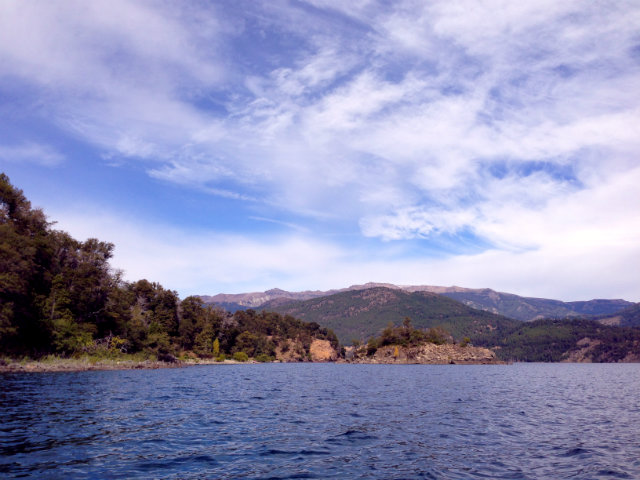
    No, this isn’t the island where Dumbledore was buried — even though it bears a striking resemblance. It’s La Islita, a small island in Lago Lácar.

    We’d been looking forward to kayaking today ever since we checked the forecast last weekend. We patiently waited out the cold by hanging out around town and working on our projects (my book got a cover makeover!). We also did some indoor activities, including yesterday’s trip to…


    Che Museum San Martin de los Andes


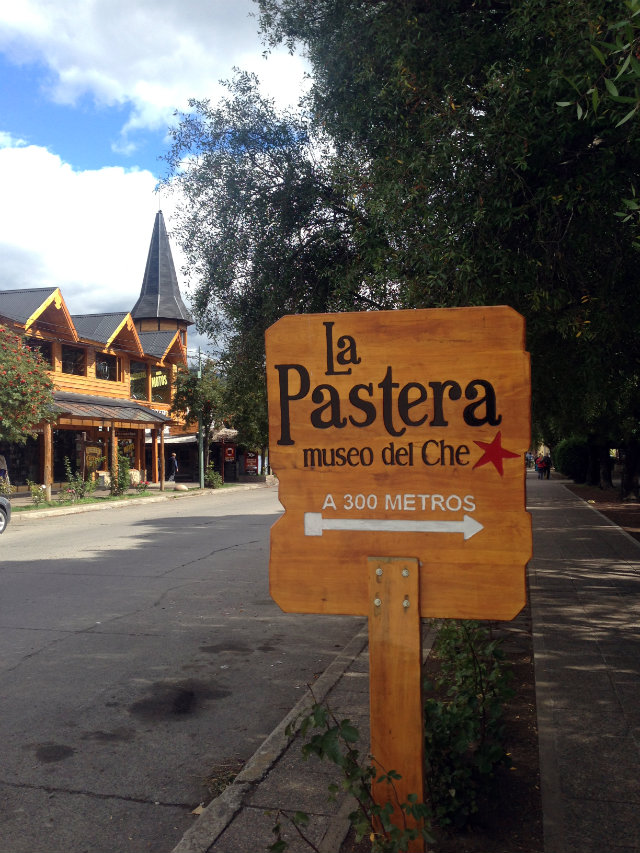
    …the Che Guevara museum in San Martin de los Andes. This is the only photo we have though, because we arrived during mid-day siesta and it was closed. Which brings me to today’s Travel Tip Tuesday: websites aren’t always updated. We know, this one is super obvious. But this isn’t the first time we’ve found faulty hours on a website. The museum’s website says they re-open at 2:30 in the afternoons, but they don’t actually re-open until 5:00. Oh well, we’ll try again.

    Anyhow, it was worth waiting for today, because the weather was perfect for kayaking. Not too hot, not too cold. Our friend Harry even hooked us up with his friend Gonzalo who is a guide, and a fine one at that!


    Gonzalo


    He took us out to La Islita, and on the way we saw lots of beautiful cypress trees and sheer rock walls along the shore. He told us he’d kayaked the whole length of the lake once — which goes almost to Chile — and it took about four hours one way, traveling at a very intense speed.

    We were out there about 2.5 hours, including half an hour actually sitting and relaxing on the island. While it’s possible without a guide, we really enjoyed chatting with Gonzalo and learning about the landscape. In the fall, there are hardly any other boats or kayaks out, so it feels like you’ve got the whole lake to yourself.

    Here are a few more shots from the trip:


    Lago Lacar San Martin de los Andes 3


    Tamara Chris Lago Lacar


    Lago Lacar San Martin de los Andes 2


    And the crown jewel, my new capri tan lines to accent my shoe tan. Chris kept saying, “Are you sure your legs aren’t just dirty?”


    Bad tan lines


    Nope. Just weirdly tanned is all.


  • 04Mar14

    04Mar14

    It’s Travel Tip Tuesday. But first, HAPPY BIRTHDAY to Chris’s mom!!! She’s coming to visit us in Buenos Aires in April; we’re excited to have our first visitor.

    Today’s travel tip has to do with a project we’re currently working on: finding house sitting opportunities.

    Imagine you own a home — maybe have a pet or two — and want to travel for a month. Who will take care of your pets? Pick up the mail? Make sure your garden doesn’t get overrun with weeds? That’s where people like us come in.

    There are websites such as TrustedHousesitters.com that connect homeowners with house sitters. We had to pay for a subscription, but it’s worth it if we land an opportunity. Sometimes house sitters are paid if there are tasks that go above and beyond day-to-day care, but usually people do it for free in exchange for free accommodations in a new location. We’re in the latter category.

    So we’re working on making that happen. Our first step is putting together a really thorough profile that will hopefully stand out from the crowd. It’s hard to communicate both responsible and cool at the same time.

    The good news is, if we find an opportunity, we get to live somewhere for an extended period and get immersed in the culture, and we’ll feel good making it possible for other people to travel. The bad news is that these opportunities tend to be pretty competitive, especially if you only want to house sit in the south of France or something.

    Either way, should be an interesting learning experience. And it’s perfect for folks like us who want to travel slowly. We’ll share what we learn.


  • 13Feb14

    13Feb14

    Yesterday, Chris and I celebrated seven years since our first date. We had a delicious dinner cooked by the owners of the guesthouse where we’re staying, and nearly all the items came from their garden. Seriously some of the best meals we’ve had in Chile. They’re always harvesting tons of tomatoes, squash, apples, peas, basil, cucumber, and so on.


    El Rincon Garden


    El Rincon Apples


    We just spent the past hour sharing some wine with the owners and some other visitors: two women from Switzerland doing a round-the-world trip, and a family from Rome who just moved to Santiago. It was such a great evening and one of our most memorable!

    When other Chileans heard we were visiting Los Ángeles, they all gave us funny looks and asked why. The city of Los Ángeles isn’t much — just a small agro-industrial city. But in addition to the national parks nearby, there are a couple places where local Chileans like to visit during the holidays: Salto del Laja and Saltillo del Itata.

    Salto del Laja is a beautiful waterfall, but it was a bit empty compared to previous years since apparently there wasn’t much snow the past winter. Lots of locals were posing for photos, taking a dip in the water, and looking around for the places with the best view.


    Salto del Laja


    Tamara and Chris Salto del Laja


    It’s quite the local attraction, with hostels and cabañas (cottages) available for visitors. There’s also a long line of food stands and souvenir shops.


    Salto del Laja 2


    We also ventured over to the Rio Itata. There were no marked trails, but there was a path that was clearly used by horses (guess how we knew?) that we followed along the river which was very pretty. A family having a barbecue told us how to find a small waterfall nearby — because we can’t go a single day without seeing a waterfall, apparently — so we went to go check that out. It’s called Saltillo del Itata, which is about 20 minutes north of the town of Campenario.


    Saltillo del Itata


    Saltillo del Itata 2


    It’s pretty small, and people walk around on top of it because it’s so shallow. There are campgrounds and picnic tables, mostly full of big Chilean families. The cool water was a nice respite from the heat, although maybe we’ll be missing the heat once we’re down in Patagonia.

    Lastly, because we didn’t give you anything for Travel Tip Tuesday, here’s a Travel Tip Thursday special:

    When looking for cheap airfare on sites like Kayak, Expedia, etc., find the flight you want and then check the price on the airline’s website. We did that today and got an even better deal. It’s easy to forget to do that.

    See you in Valdivia!


  • 03Feb14

    03Feb14

    Soon we’ll be leaving Viña del Mar to visit southern Chile. We’ll be leaving our awesome roommates, so before we go we thought you’d enjoy meeting one of them!

    His name is Alexey — although he sometimes goes by Alex. He’s originally from Moscow, Russia and he’ll be heading to Thailand and Morocco next. He kindly allowed me to interview him this morning. He was cooking his breakfast and I was perched with my laptop on the stairs.

    Tamara: Why did you decide to start traveling?
    Alexey: When I was a child, my parents were in the military. We traveled and moved from place to place all the time. Also, my mother is a fan of travel and always talked about it: the feeling of being on a plane or train, always moving, seeing new landscapes, sightseeing. She said travel opened her up to new views, even though she only traveled within the country which at the time was the Soviet Union. So from childhood I heard a lot about travel. At age 25, I took my first trip abroad to Egypt. That was in 2005 and I haven’t stopped traveling since.

    T: Wow, nine years! How many countries have you been to?
    A: In nine years, I have been to almost 60 countries. I can’t stop! I love the new cultures, new people, new food.

    T: So, which countries were your favorite? The top three?
    A: Australia, New Zealand, and Iceland. Australia, especially Tasmania, is like another world. It’s like the ancient world when the dinosaurs lived, landscapes you can only imagine in fantasy films or books. New Zealand also has fantastic and beautiful landscapes. Iceland is absolutely different but has its own beautiful northern scenery: volcanoes, giant waterfalls, glaciers. The glaciers are very blue, even in the summertime. Absolutely breathtaking.

    T: And how many languages do you speak?
    A: Three — Russian, English, and Spanish.

    T: What’s the craziest thing that’s happened to you while traveling?
    A: When I was in Uzbekistan, nine months ago, I was staying in the capital, Tashkent. I was checking in to a guest house and they said I couldn’t stay more than two nights because of local laws. If you are staying longer, you have to go to the police station to register your stay. I didn’t go to the police station, so I had to change accommodations several times to avoid staying more than two nights. One night, the police knocked on my door at two o’clock in the morning. They asked to check my registration or my passport! Everything was okay because I didn’t stay more than two days, but if you go there, you have to be prepared. Two o’clock in the morning! They checked all the guests in the hotel.

    T: You work while you’re on the road, right? How does that work?
    A: Yes, I am a freelancer. I have a close circle of clients I’ve worked with for six or seven years. I do advertising production — I’m a production manager. Whether it’s catalogs, books, or magnets, I manage the production from start to finish. I can work from the road wherever I am.

    T: Is there anything you miss about Moscow?
    A: Nothing, except my friends. I miss them so much. I keep in touch with them on Skype, Viber, Facebook, email, or iMessage. But I’ve decided I’m not going to live in Russia anymore. Last year, I wasn’t so sure. But eventually you realize that it’s impossible to go back. It’s like taking a step backwards when you want to keep moving forward. You want to do something more. There are also other reasons I don’t miss Moscow: the pollution, the crowds. I want a more peaceful life. If I could take all my friends and put them here, I wouldn’t dream of anything else. That’s the only thing I miss.

    T: What has surprised you about traveling? What’s easy? What’s hard?
    A: When you first arrive, it can be difficult to find your rhythm. Everything’s different: roads, buildings, language. Sometimes the climate. And when you’re planning to go a new country, you wonder how people are going to treat you. You read information online or go by what you hear on the news. But usually you receive a wide welcome. Like in Chile, I was surprised how people treat foreigners; they are very warm, very open-minded. The majority of countries welcome foreigners, even if we think we are not so welcome. People are willing to talk with you about their culture and experiences.

    T: You are very disciplined about going to yoga every day! You mentioned you’re traveling to other Bikram yoga studios. Have you always practiced yoga?
    A: No, I just started. I picked it up when I was in Phuket, Thailand. I saw advertisements for “hot yoga” and one day I wanted to try something different. It sounded so strange to me. In my mind, yoga was like meditation and nothing else, but it was actually very difficult. You sweat, it’s hard to breathe, you can’t see through the sweat in your eyes. I decided to do a challenge — 30 days of yoga in a row. Now, it’s my new hobby. For me, it was more of a physical thing, but it’s about your mind too. An American guy who practiced with me healed his leg. People absolutely change their lives devoting themselves to hot yoga. From that moment, I decided to visit places in Spain, Russia, Chile, and other countries to practice in different Bikram studios. That’s my project now.

    T: Any advice you want to share with other travelers or aspiring travelers?
    A: Be a good person. If you treat other people like you would your friends, you will receive the same treatment and energy from them. Whether you’re in Asia, Africa, North America — we’re all the same people around the world.

    Thank you for sharing your story, Alexey! We will miss you!

  • 21Jan14

    21Jan14

    Familiar or foreign. Which is better? That’s what we’ll tackle in this week’s Travel Tip Tuesday.

    It all comes down to why you’re traveling and what your goals are. We’re traveling because we want to experience things that are totally different and out of our comfort zone — that will give us perspective and memories to last a lifetime.

    But what is memorable? How can you find something totally different when U.S. culture and commerce, for better or worse, extend everywhere? We ask ourselves questions like this nearly every day.

    Some things are familiar, but with a twist. Like going to the grocery store. Here in Chile, you get your produce weighed and tagged before going to the register. It’s the same at some produce stalls. And it’s something we learned after rolling up to the register with 12 different kinds of unweighed fruits and vegetables and were turned away.


    Papas


    But otherwise, going to a grocery store is the same. The dairy is on the back wall, the Coca Cola is lined up next to the Coke Zero. Not particularly different or memorable.

    In La Paz, there is a strip of land that juts into the water called El Magote, where all the high-rise condos are. They’re just to the right —  I always made sure to keep them out of our photos.


    La Paz Bay


    My dad would always say that what frustrated him about the people who live in those condos — and many of the Americans and Canadians who go to La Paz — is that they’re not actually there to see Mexico. I tend to agree. They surround themselves by things that are like being in the U.S., and scoff when things are different from what they’d expect in the U.S.

    But in the U.S., it’s normal to have access to hot water 24 hours a day, for example. That’s not the norm everywhere. Is living without continuous access to hot water what makes travel different and memorable? Is it more authentic? I don’t think it’s that simple.

    In the end, I actually think these are the wrong questions to ask. They can actually contribute to some major FOMO and angst about your itinerary. Besides, you can make yourself at home anywhere after a while. Maybe that’s what you’re looking for, maybe not. Who cares?

    I think the real questions are: Are you learning? Are you facing experiences in your travels, big or small, that initially overwhelm you? Does that sense of being overwhelmed eventually turn into understanding?

    As long as the answer is yes, you’re on the right track.

  • 18Jan14

    18Jan14

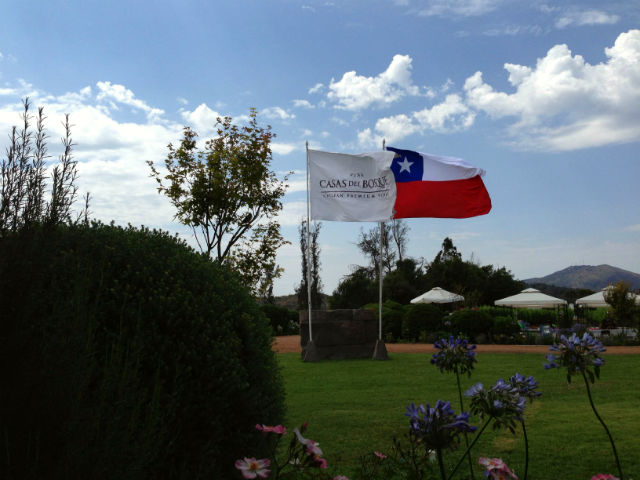
    This is Chris relaxing at the sparkling wine bar at Viña Casas del Bosque in the Casablanca Valley. Chile, because of its unique geography (Pacific on the left, Andes on the right) and climate (sunshine, sunshine, sunshine), is a great place to make wine. In fact, it’s the fifth largest exporter of wine worldwide. We’d heard these facts, but could not be satisfied until we’d tasted it ourselves right from the source. 🙂


    Casas del Bosque


    We had a great splurge day, with a tour, tastings and lunch. But what’s even better is that we didn’t have to pay USD$400 — the average cost for two people for a wine tour. Splurge and save? Yes.

    Like most wine regions, Casablanca Valley is rural so it’s not easily accessible except by car. And everything we’d read said that Chile is not as lax as the U.S. when it comes to driving after a taste or two, which leaves organized tours. The kind where you’re herded around from winery to winery with people too scared to try to speak Spanish. We read on TripAdvisor that it’s possible to do a do-it-yourself tour of the Casablanca Valley, so we went for it.

    1. Pick up bus in Valparaíso. At the main bus terminal in Valparaíso, you can pick up a bus through Buses Casablanca. I don’t know how often they arrive/depart, but we only had to wait five minutes. The ride took about 40 minutes and was beautiful. Since we are in Viña del Mar, we took a quick metro ride to Estación Barón and walked three blocks to the terminal. Cost per person: USD$0.75 for metro and USD$2.25 per person for bus

    2. Grab a taxi in Casablanca. Your bus ride will end in the town of Casablanca, at the Plaza de Armas. There’s a big church, some stores, and taxi stands. The taxis are black with yellow roofs. Just tell the driver which winery you’d like to go to. Ours offered us his card so he could come pick us up when we were done. Taxi fare: USD$3.75

    3. Enjoy the winery! We took a brief tour followed by a generous tasting, grabbed appetizers in the outdoor sparkling wine bar, and splurged on big gourmet lunches with wine at the restaurant. While the food at the restaurant was great, in hindsight we would have picked up one of their picnic baskets with wine and found a spot in the vineyard — we always forget that lunch is the big, heavy meal here. I had the mahi-mahi with a sauv blanc and Chris had the lamb with cabernet. Cost for tour, food and wine per person: USD$60


    Casas del Bosque 2


    4. Ready? Reverse! So we called our taxi driver…and his phone was off. So we went into the wine shop and the girl called the cab company…but there was no answer. Eek! This is when we thought our grand DIY plan failed. But after standing in front of the winery for two minutes, someone else pulled up in a cab so we were able to take theirs. Success! He dropped us off right at the bus stop at Plaza de Armas, and we made our way back quickly and efficiently. Same costs as above in steps 1 and 2

    Total cost for two people: USD$139.50
    Savings compared to organized tour: USD$260.50

    Now, many of the organized tours go to two or three wineries, so add on some extra taxi fare and tasting fees if you really want to recreate the experience. But honestly, it was nice to just spend a chunk of time at one winery and take in the view. You can even rent a bike for an hour so you can explore the far reaches of the property on your own.

    And honestly, that’s the best part of any trip — exploring on your own.